

My son understand that there can be a correlation between stress and high blood glucose. While watching a movie, he checked his blood glucose reading and stated “The stress has made my blood sugars high!”
I asked him, “What stress? We were watching a comedy!”
There was no stress to be seen. He swore that stress was the driving factor behind his latest blood sugar spike. I was certain it was more likely to be a mistaken bolus for his snack.
How stress and high blood glucose levels are related
While in this case, it was doubtful that stress had an impact on his blood sugar levels, he is right. Stress does affect your blood glucose readings and can cause them to rise.
The body’s stress response is the same as the “fight or flight” response. This means that when you are stressed, your body gets prepared to engage in a physical altercation or get out of the area fast! It does this by increasing the amount of sugar (energy) readily available. The best way for the body to store up sugar is to decrease the insulin it produces. If you have type 1 diabetes, your body isn’t making any of its own insulin but your body can still flood itself with glucagon (sugar stored in the liver) and adrenaline.
What type of stress causes blood sugars to rise?
We no longer live in caves and rarely do we have to worry about being eaten by bears, but our modern-day environment is still rife with stressors.
They can be physical stressors like injury, illness, or surgery. Emotional stressors like anxiety and worry can also cause your blood sugar to rise.
How to reduce stress
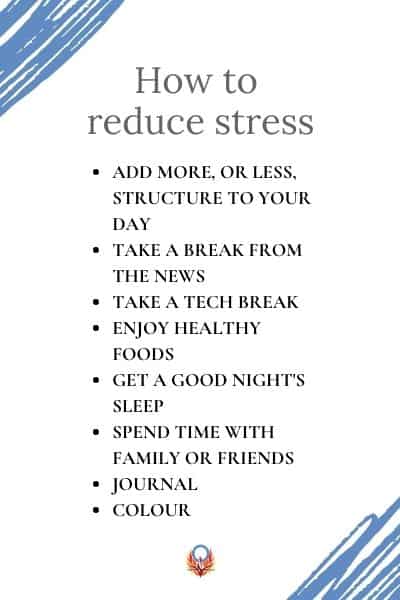
Long term stress is not healthy on the body. It is therefore important that we do things that will help us to reduce our stress levels and keep us feeling better.
Add more, or less, structure to your day
For many of us, a sense of routine can help to reduce stress. Knowing that you will eat a meal at a set time, setting a time to exercise, or even a time to meditate can have a calming effect on many individuals.
In some cases, we go too far with our structure. If you find yourself rushing and constantly looking at your watch as you struggle to fit everything into your day, it may be time for a little less structure. Reprioritize your tasks and find a way to incorporate more downtime into your day.
Take breaks from the new
We have all heard it, the news is depressing. Rarely do we see feel good stories on television news. The hour tends to be filled with features on everything that is going wrong in the world today.
Limit your exposure to the news especially when you are already feeling down or stressed.
Take a break from social media
It is not just the television news that can be a source of stress. Social media can be filled with the same news stories. It also can be filled with memes and images that may make you feel insecure, angered, or just stressed out.
Turn off your phone. Step away from your apps. Take a tech break at least once a week to help reduce your stress level. Consider reviewing the people that you follow or hear from. If they are causing you further stress, take a break or unfriend/follow them.
Enjoy health foods
Remember the saying, you are what you eat? Well, eating a more heart healthy diet will help to reduce feelings of being sluggish and help to further reduce stress.
Get a good night’s sleep
We have discussed this before. Tossing and turning all night can also lead to stress and frustration. Sleep deprivation will then cause blood sugar levels to go up.
Spend time with friends or family
Spending time with people you can about can be a great way to reduce your stress level. A friendly conversation, a meal, or a shared activity can help to reduce your stress levels naturally while creating great memories to carry with you in the coming years.
Journaling or colouring
Spending time writing your thoughts out in a journal or mindlessly doodling in a colouring book can be a great stress relief. It allows you to express your energy in a creative way.
Stress causes high blood glucose levels
Stress is bad for your body. It causes the release of adrenaline and prepares the body for fight or flight. This causes an elevation on blood sugar levels. While we can’t avoid all stressors in life, we can do some of the things suggested above and work to keep stress to a minimum while working to maintain optimal blood sugar levels.


Amazing post! I agree, sleeping well and cutting off social media help a lot with stress. Thank you for sharing!