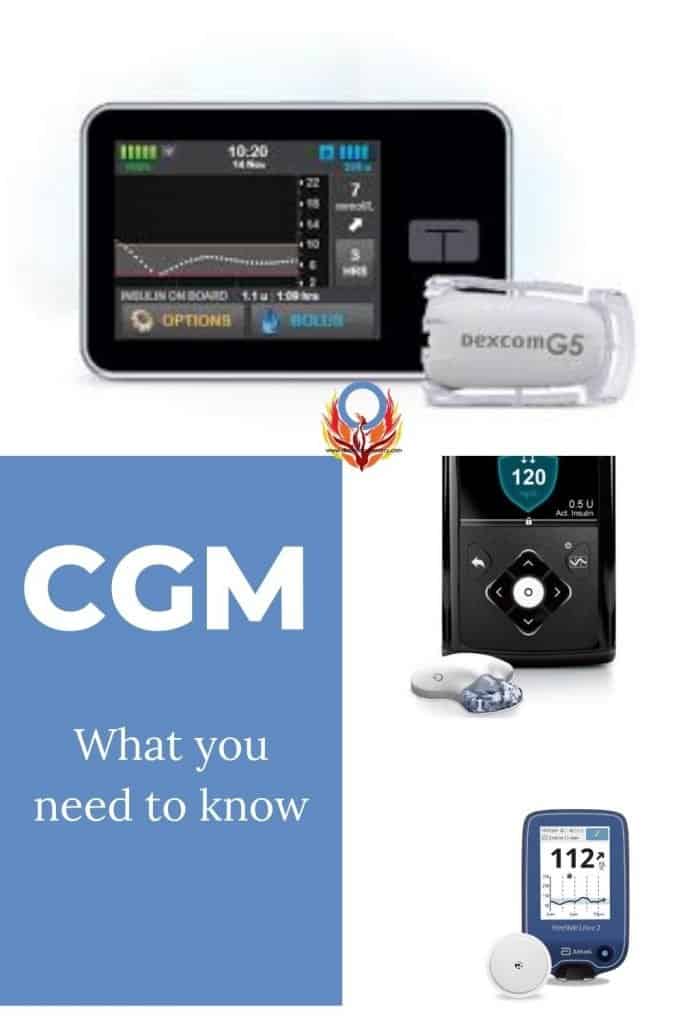
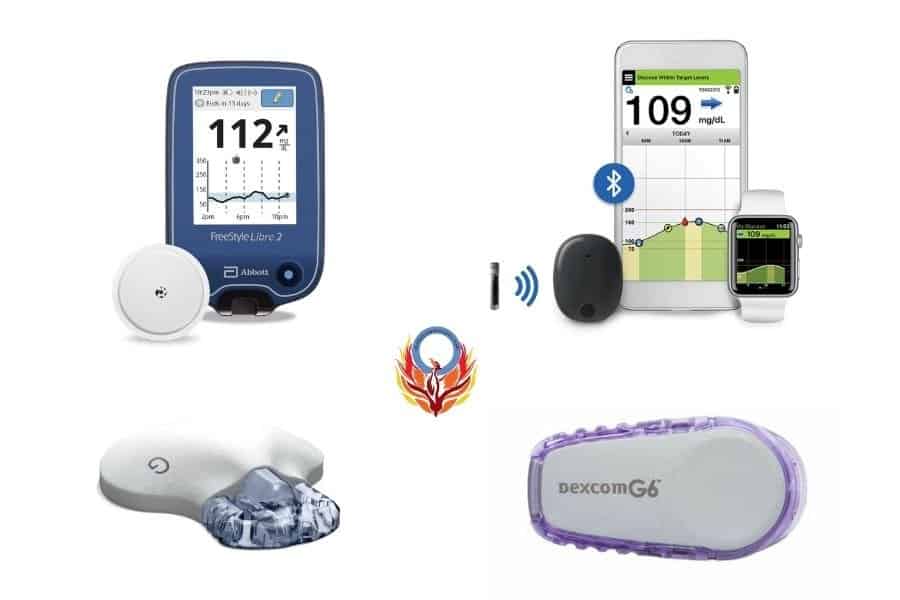
A Continuous Glucose Monitor is a small device worn under the skin that uses interstitial fluid to monitor blood glucose levels. It then transmits readings to a receiver and allows a person with diabetes to have a guide to what blood glucose levels may be at a given time and whether they are expected to rise or fall in the near future.
What is the difference between traditional glucose testing and using a Continuous Glucose Monitor?
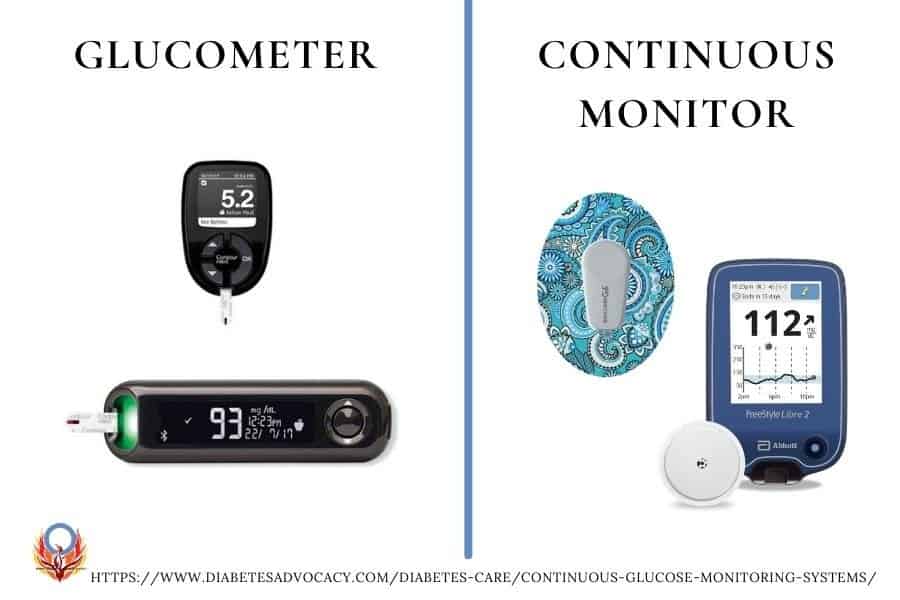
Glucometers are portable devices that read glucose levels from a blood sample that is placed on a tiny test strip. Test strips are discarded after a single-use. Some meters store a limited number of glucose results in memory. The results can be downloaded onto a computer.
A glucose sensor, on the other hand, is a tiny electrode that is inserted under a patient’s skin (subcutaneous tissue) that continuously records glucose levels around the clock. The sensor is worn for between three to seven days before it is discarded and replaced by the patient. Glucose readings are transmitted to a monitor, smartphone or insulin pump where the values are displayed. Trend reports and charts can be viewed after data is downloaded to a computer.
Download our free CGM/Flash monitoring systems comparison sheet.
Types of Continuous Glucose Monitors
Dexcom G7®
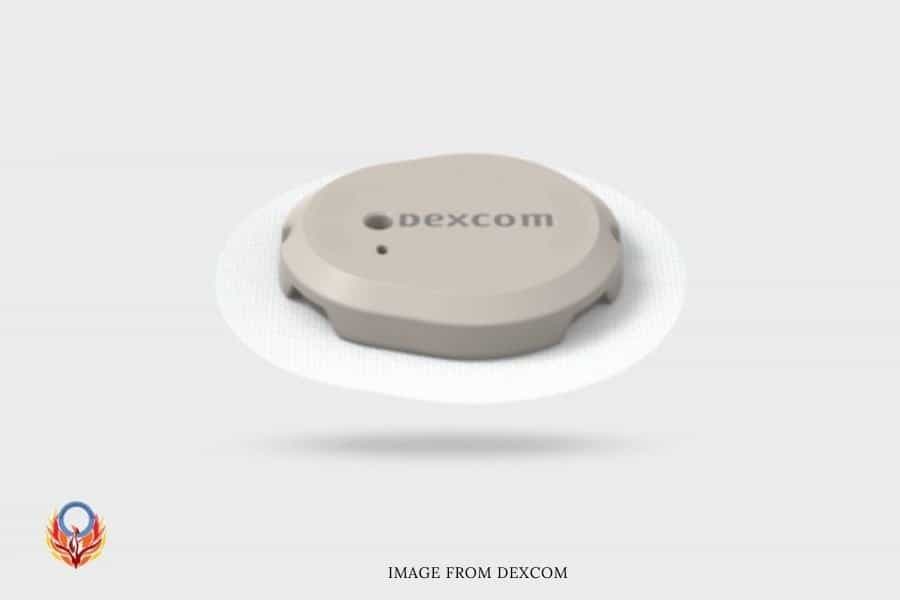
The Dexcom G7® is the latest version of Dexcom’s Continuous Glucose Monitor. This system has received a CE-mark, allowing Dexcom to sell the device to people with diabetes in Europe. It is also available for purchase to people with all Types of diabetes ages two years and older living in the US. Health Canada approved the Dexcom G7 for use in Canada at the end of June 2023.
Here are some of the new features of the G7®:
- 60 percent smaller and round in shape. This new design allows it to be “inserted on the back of the upper arm, the abdomen, or, for children ages 2-17, on the upper buttocks. It can also be inserted using only one hand.” according to the folks at diaTribe.
- 30-minute sensor warm up.
- All in one sensor and transmitter.
- Improved alert settings for enhanced discretion
While the G7 does not currently work with any insulin pump, pump manufacturers are working to integrate the new continuous glucose monitor with their current system.
Tandem has stated that they are working on integration with Dexcom and other CGM options and they hope to have the approval for use in the tSlim by the fall. We are unclear as to which markets this will be in, however.
Dexcom G6®
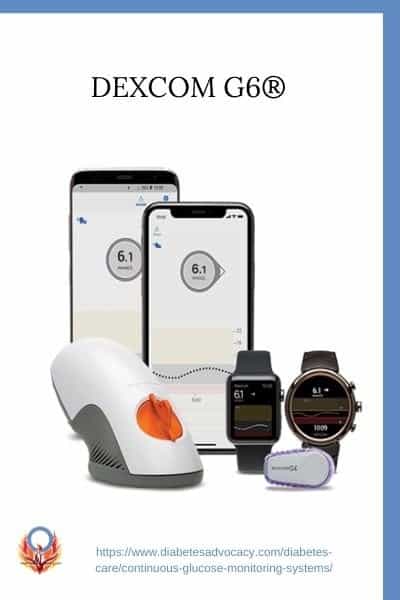
The Dexcom G6® uses Bluetooth technology with sensors that last 10 days. This sensor is water-resistant. It no longer requires calibration, but users can still choose to enter a calibration if they would like to or feel that the sensor seems inaccurate. The Dexcom G6® requires a 2-hour warm-up period. The “urgent low soon” alarm will alert the user when blood glucose is dropping rapidly and is expected to cross the low threshold. It also has a new easy-to-use,
It continues to work with smartphones as a standalone device, and with the Tandem tSlimX2 insulin pump.
Dexcom has also signed agreements with OmniPod and Ypsomed on possible future integrations.
Guardian 4™ glucose sensor
The Guardian 4™ sensor transmits information wirelessly to the Guardian Connect app on a compatible smart device. It works with the MiniMed™ 780G insulin pump system or InPen, and as a stand-alone continuous glucose monitoring (CGM)
This latest sensor lasts 7 days and has a rechargeable transmitter. The transmitter must be charged each time before inserting a new sensor.
The transmitter charger uses one AAA battery which, according to the website pumpsandpricks.com, needs to be changed 2-3 times per year.
The Guardian 4™ has a two hour warm up period and monitors readings between 2.8-22.2 mmol/L (50-400mg/dL). This latest system does not require calibration, but every blood glucose reading confirmed on the pump is used to calibrate the sensor.
The Guardian 4™ is approved for wear on the backs of the upper arms and buttock for children 7-17 years of age and the backs of arms and abdomen in adults.
This system works with Medtronic’s 780G insulin pump.
Eversense E3® Continuous Glucose Monitor System
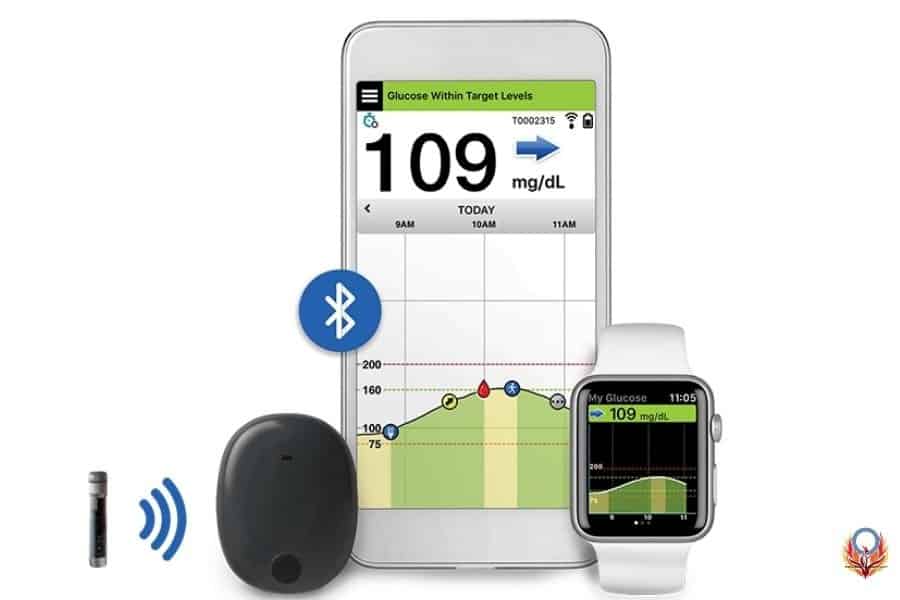
The Eversense E3 is the latest version of the implantable glucose sensors from Senseonic. This new system will allow you to wear your CGM for up to 180 days without having to change out the sensor and without sacrificing accuracy. At its release, the Eversense E3 is the most accurate continuous glucose monitoring system in North America.
The sensor must be implanted by a medical professional.
You can read all about the features and how to get your Eversense E3 in our article linked below. This system is currently only approved for sale in the US.
FreeStyle Libre 3 system
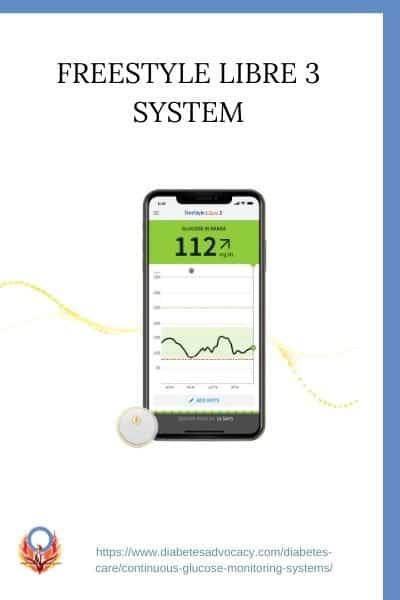
The FreeStyle Libre 3 system has received CE mark for people with diabetes in Europe, as well as approval for sale by the US and Canadian governments.
The Libre 3 has the smallest, thinnest sensor on the market world’s smallest being about the size of two stacked U.S. pennies.
The new FreeStyle Libre 3 will provide 14 days of continuous real-time glucose readings automatically delivered to a person’s smartphone every minute. The sensor can be easily applied with a one-piece applicator.
According to the press release, the new system is also designed to be more sustainable for the environment, including a 41% reduction in plastic use and 43% decrease in carton paper.
Freestyle Libre 2
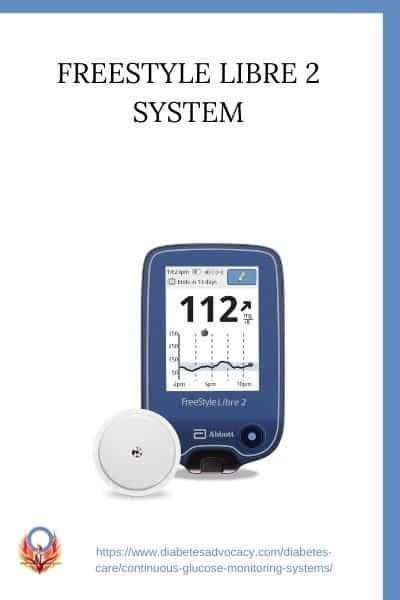
The Libre 2 is an integrated continuous glucose monitoring system cleared for use in Europe, Canada and in the USA for adults and children 4 years and older. It continually transmits glucose data every minute to the receiver. Users can now set the system to send alarms when their glucose is too high or too low without having to first scan the sensor.
This system is approved to work with insulin pump and automated insulin dosing systems.
Read more about the Libre2 here.
Guardian™ Connect System
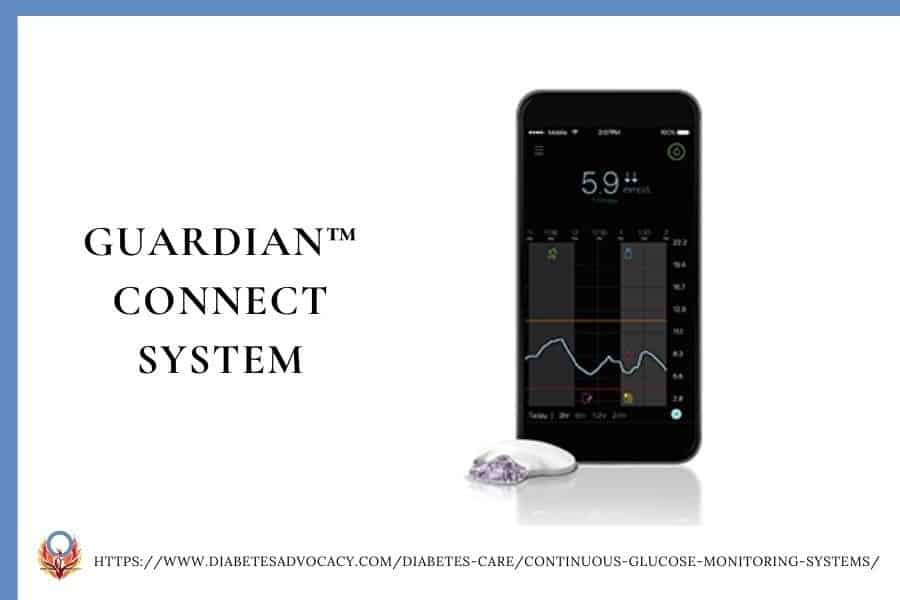
According to Medtronic, the Guardian Connect System is a standalone continuous glucose monitoring system that connects directly to select Apple devices using Bluetooth technology. It provides continuous glucose information and alerts you up to 60 minutes in advance of highs and lows.
You can learn more about their system on the Guardian Connect System website.
How to decide if a Continuous Glucose Monitor or Flash system is right for you
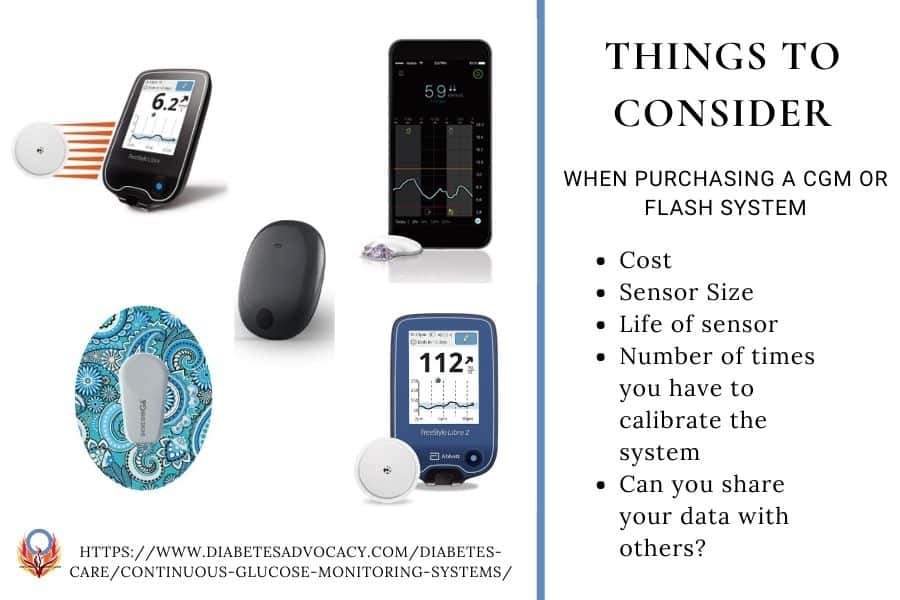
Deciding which system you should use or even if you want to be hooked up to a device at all is a very personal decision. You may want to consider things like
- Cost
- Sensor size
- Life of a sensor
- Number of times you have to calibrate the system
- Can you share your data with others?
Read the pros and cons of a Continuous Glucose Monitoring System.
Using a Continuous Glucose Monitor to establish Time in Range
Time in Range looks at the amount of time that you maintain blood sugars between set parameter for a period of 14-days. While this can be done using a glucometer, the most accurate results involve using a CGM to monitor for unseen highs and lows.
You can learn more about Time in Range in the article below.
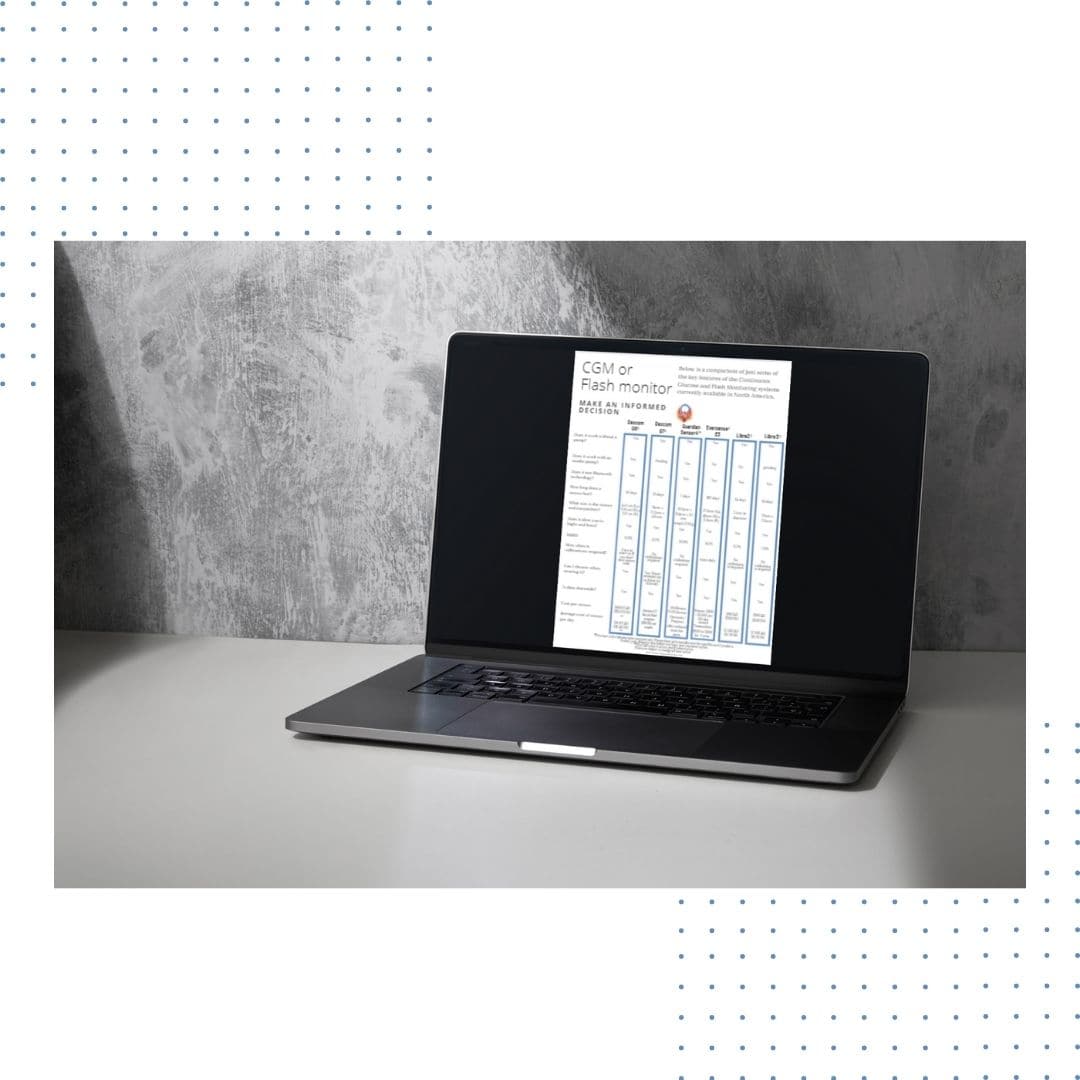
Compare Continuous Glucose Monitor options
Access now.