
People living with type 1 and type 2 diabetes are at a higher risk for heart disease than the rest of the population. Research has shown however that people with type 1 diabetes are more likely to experience serious cardiovascular complications (heart attack, stroke, coronary artery disease) than the general population.
Why should you worry about diabetes and heart disease?
We know that long term diabetes can negatively impact the small blood vessels. This can cause neuropathy and damage to blood vessels including those going to the heart.
A study at Harvard Medical School’s Joslin Diabetes Center in Boston headed by Dr. Myra Lipes further looked at why a person with type 1 diabetes is at greater risk to develop heart disease than the general population. Researchers found that high blood sugar levels created an autoimmune response to the heart proteins. This autoimmune response was linked to the eventual development of heart disease including calcium build up in heart arteries, heart attacks, bypass surgery, and even death.
DiabetesMine found research that showed that hypoglycemia (low blood sugar levels) can stress the heart and increase the risk of cardiovascular disease as well. Hypoglycemia can disrupt electrical signals that are vital for heart function. Researchers haven’t yet been able to isolate exactly how large a role hypoglycemia may play, independent of other factors, in causing cardiovascular events.
Are people with type 2 diabetes more at risk of heart disease than those with type 1?
The short answer is no. Studies have found that the length of time that you have had type 1 diabetes increases your risk of having heart disease.
Individuals who were diagnosed with type 1 diabetes before the age of 10 have a five-times greater risk of heart attack and coronary disease than those diagnosed at age 26-30 according to a 2018 study.
Being overweight and having high blood pressure increases your risk for cardiovascular disease whether you have type 1 or type 2 diabetes. However, people with type 1 diabetes who use traditional interventions to reduce their risk of developing this disease still have a greater risk of death from a heart attack or stroke than then general population. In contrast, for those with type 2 diabetes, the traditional steps can reduce their risk. Researchers do note however that the study and control groups for these heart health trials were very different and therefore a comparison may not be appropriate.
Are there other risk factors for developing heart disease?
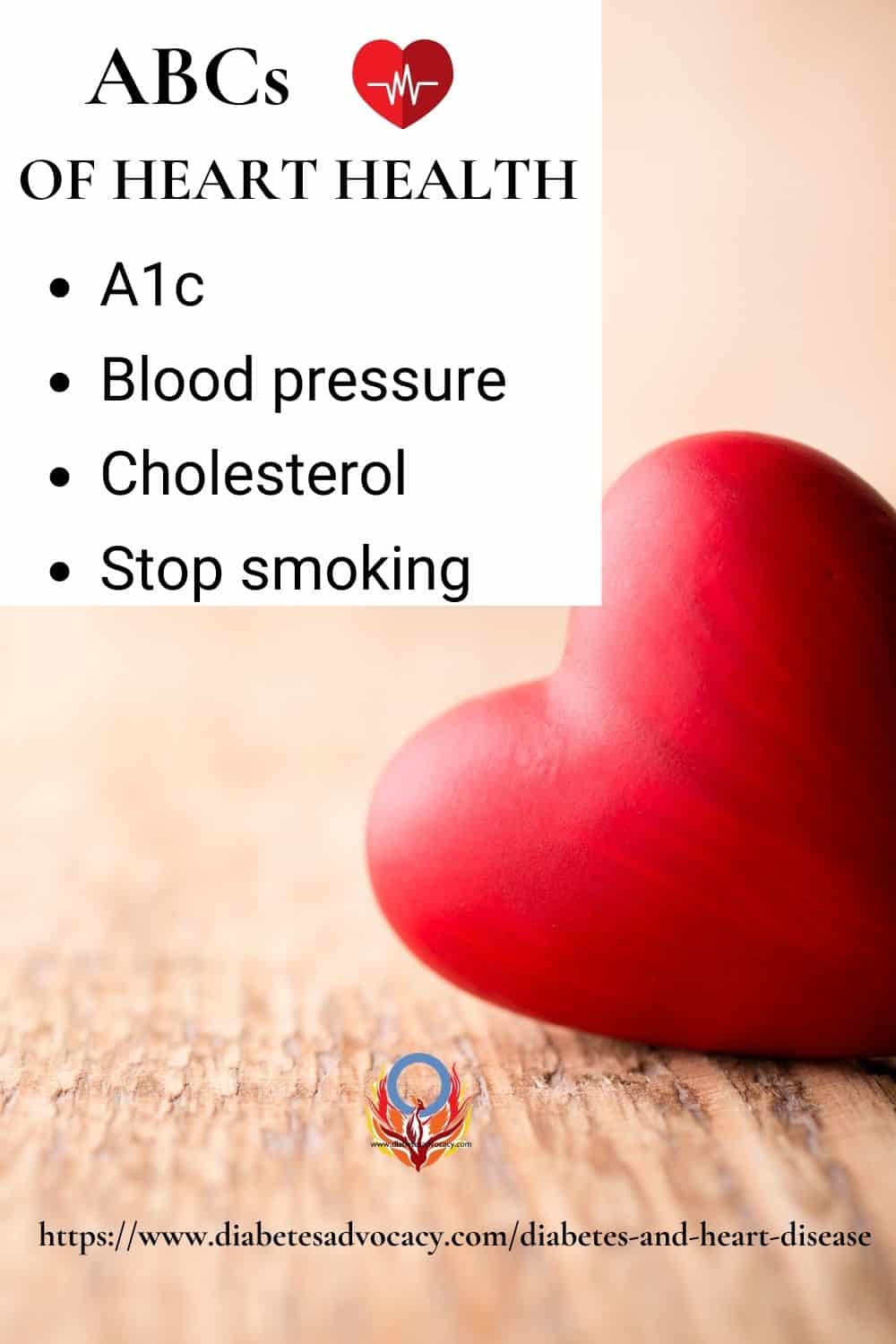
While having diabetes increases your chances of developing heart disease, it doesn’t guarantee it. Lifestyle factors like obesity and smoking will elevate your risk. High blood pressure and a family history of heart disease are also risk factors to be concerned about.
What are the warning signs of a heart attack?
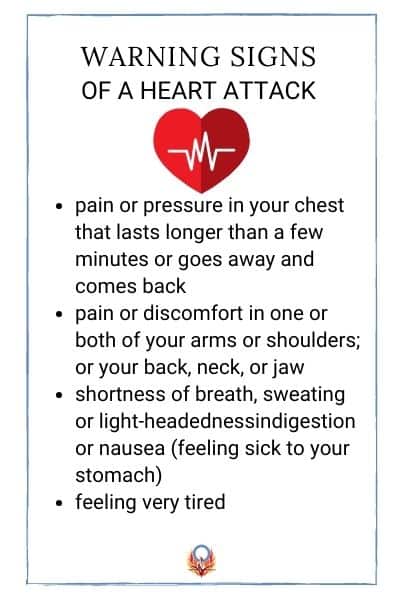
The warning signs of a heart attack include:
- pain or pressure in your chest that lasts longer than a few minutes or goes away and comes back
- pain or discomfort in one or both of your arms or shoulders; or your back, neck, or jaw
- shortness of breath
- sweating or light-headedness
- indigestion or nausea (feeling sick to your stomach)
- feeling very tired
If you experience any of the above symptoms, contact your doctor or emergency help line right away.
What are the warning signs of a stroke?
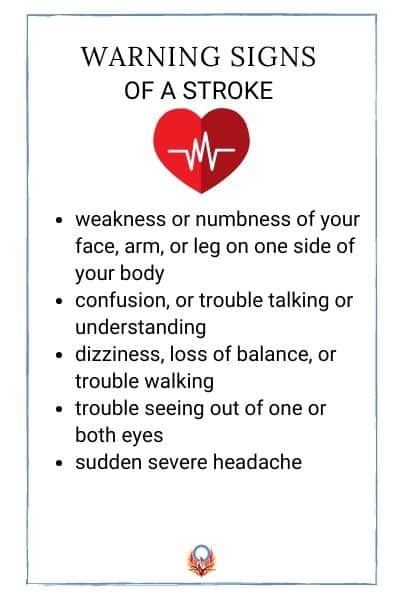
The warning signs of a stroke include:
- weakness or numbness of your face, arm, or leg on one side of your body
- confusion, or trouble talking or understanding
- dizziness, loss of balance, or trouble walking
- trouble seeing out of one or both eyes
- sudden severe headache
Again, if you experience any of the above symptoms, contact your doctor or emergency help line right away.
How to avoid developing heart disease if you have diabetes
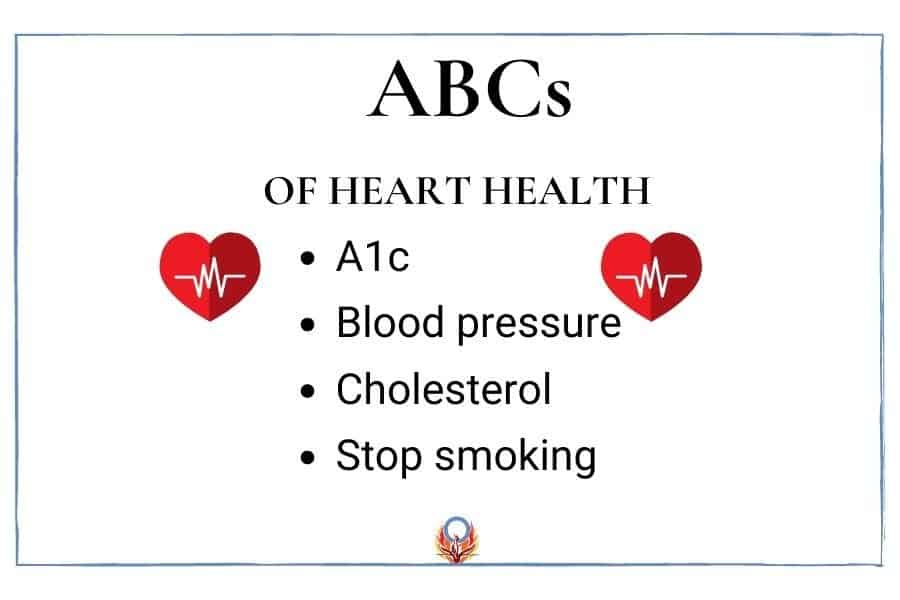
One of the most important ways that you can reduce your risk of heart disease is to live a healthy lifestyle.
- Eat heart healthy meals.
- Get at least 150 minutes of exercise per week.
- Stay hydrated.
- Limit your alcohol consumption.
- Quit smoking.
- Visit your doctor regularly.
- Reduce stress in your life.
Diabetes impacts many other systems in your body. Therefore, it is important to maintain regular check-ups with your doctor and your diabetes team. Early detection is important in maintaining optimal health.


I had open heart surgery in 2006, the result of genetic abnormality. After haivng open heart surgery, and now 3 stents. Heart disease is no joke.